Chilled Storage in Dammam: 2026 Buyer’s Guide
Finding reliable chilled storage in Dammam is one of the most important decisions a food importer, pharmaceutical distributor, or retail chain can make in 2026. The Eastern Province’s port traffic and growing cold-chain demand mean that a single temperature excursion can wipe out an entire shipment. This guide walks through what chilled storage actually costs, how it differs from dry storage, and the exact questions to ask before you sign a lease.
Why Dammam Businesses Need Reliable Chilled Storage
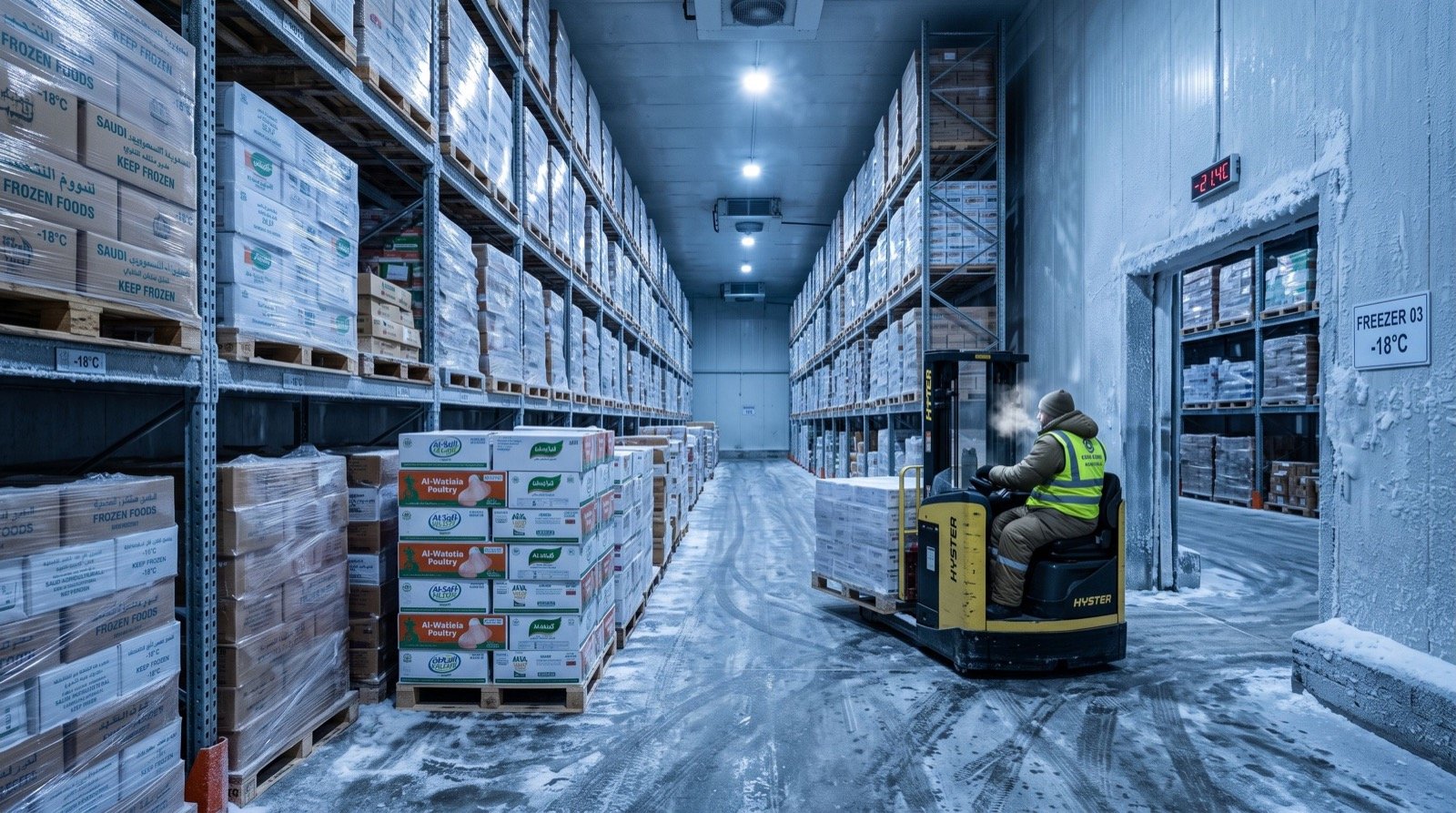
Dammam sits at the center of Saudi Arabia’s eastern logistics corridor, close to King Abdulaziz Port and a dense network of highways linking Riyadh, Jubail, and the UAE border. That geography is exactly why demand for Chilled Storage in Dammam has climbed sharply over the past two years. Importers of dairy, seafood, produce, and pharmaceuticals need facilities that hold a consistent 0-4°C range without power interruptions, because even a short gap in refrigeration can trigger spoilage, regulatory rejection, or a costly recall.
Beyond food safety, there’s a commercial reason too: retailers that can guarantee freshness win repeat customers. A warehouse that documents every temperature reading, every door-open event, and every delivery timestamp gives a business the paper trail it needs to satisfy auditors and win larger contracts.
Chilled Storage vs Dry Storage: What’s the Difference?
Not every product needs refrigeration, and renting chilled space for items that don’t require it is a waste of money. The table below breaks down the practical differences so you can match your inventory to the right facility.
| Factor | Chilled Storage | Dry Storage |
|---|---|---|
| Temperature range | 0°C to 8°C, humidity controlled | Ambient, typically 15-25°C |
| Best for | Dairy, produce, seafood, pharma, flowers | Packaged goods, textiles, electronics, paper, furniture |
| Typical cost premium | 30-60% above dry rates | Baseline rate |
| Energy requirements | Continuous refrigeration, backup generators | Standard lighting and ventilation only |
| Shelf-life impact | Extends shelf life significantly | Minimal impact on non-perishables |
If part of your inventory is perishable and part isn’t, many operators in the region now offer hybrid leases that combine both zones under one roof. For non-perishable stock, Dry Storage remains the far cheaper and simpler option, and splitting your inventory this way can cut monthly storage costs by a third or more.
How Much Does Chilled Storage Cost in Dammam in 2026?
Pricing varies by pallet position, contract length, and whether the facility offers blast-freezing or just steady refrigeration. As a general guide for 2026:
- Short-term chilled pallet storage (under 3 months): higher per-pallet daily rates, best for seasonal overflow
- Long-term contracts (12 months+): typically the lowest per-pallet rate, with negotiated handling fees
- Blast-freezing add-ons: priced separately and justified only for fast-turnover seafood or meat
- Value-added services like repacking, labeling, and inventory scanning: usually billed per transaction
Always ask for an all-in quote that includes handling, not just the square-meter rate. Hidden handling fees are the single biggest source of budget overruns we see among first-time cold-chain tenants.
What Should You Look for in a Chilled Storage Provider?
This is the question every operations manager should ask before signing anything. At minimum, confirm the following:
- 24/7 temperature monitoring with digital logs you can access remotely
- Backup power generation tested on a documented schedule, not just installed
- HACCP or ISO 22000 certification, or equivalent food-safety compliance
- Proximity to the port or highway network relevant to your supply chain
- Clear SLA terms covering temperature excursions and compensation
Working with quality service providers who can demonstrate consistent uptime and transparent reporting is worth far more than a slightly lower headline rate. A facility that saves you 5% on rent but loses power twice a year is not actually cheaper.
How Do You Calculate the Right Storage Footprint?
Many new tenants over-rent because they size their warehouse around peak season volume. A better approach is to calculate your average monthly throughput, add a buffer of 15-20% for seasonal spikes, and arrange a flexible overflow clause in the contract for the two or three peak months of the year. According to the Saudi Food and Drug Authority, cold-chain compliance audits increasingly focus on documented capacity planning, not just raw storage capability, so having a clear sizing rationale also helps during inspections.
The Global Cold Chain Alliance similarly recommends reviewing throughput data quarterly rather than locking in a fixed footprint for the full year, since demand patterns in the Gulf region shift with both religious calendar events and tourism seasons.
Frequently Asked Questions
How quickly can a business move into chilled storage in Dammam?
Most established facilities can onboard a new tenant within 1-2 weeks once documentation, insurance, and product specifications are confirmed. Facilities with available pallet positions and no major racking changes required can sometimes turn around in under a week.
Is chilled storage required by Saudi regulation for all perishable goods?
Yes, for most food and pharmaceutical categories, Saudi regulations require documented temperature control throughout storage and transport. Non-compliance can result in product seizure or import restrictions, so it’s worth confirming certification before committing to any warehouse.
Can small businesses rent chilled storage, or is it only for large importers?
Smaller businesses can rent shared pallet positions rather than a dedicated chilled room, which makes chilled storage accessible even for businesses moving just a few pallets per month.
What happens if the facility has a power outage?
Reputable facilities run backup generators that activate automatically within seconds, and most will notify tenants immediately with a logged incident report. Always confirm the generator’s fuel capacity and historical outage record before signing.
Common Mistakes First-Time Tenants Make
After watching dozens of businesses move into cold-chain space for the first time, a few mistakes show up again and again. Avoiding them is often more valuable than finding the absolute lowest rate.
- Signing before a site visit. Photos and brochures can’t tell you how a facility actually smells, sounds, or feels during a power dip. Always walk the floor before signing.
- Ignoring insurance gaps. Many leases cap the warehouse’s liability for spoiled goods at a fraction of their value. Read that clause twice and insure the difference separately if needed.
- Underestimating handling fees. A low per-pallet rate can hide expensive per-movement handling charges that add up fast for businesses with frequent small deliveries.
- Locking into a long contract too early. New importers should test a facility for 3-6 months before committing to a multi-year term, even if the long-term rate looks attractive on paper.
Insurance and Liability Considerations
Most chilled storage contracts in Dammam include a baseline liability clause, but it rarely covers the full replacement value of high-margin perishable goods like imported seafood or specialty pharmaceuticals. Ask your provider for their maximum payout per incident, then compare that figure against the real value of a full truckload sitting in their facility on a peak day. If there’s a meaningful gap, a short-term cargo or warehouse-liability policy from a local insurer is usually cheap relative to the risk it covers, and most Eastern Province brokers can quote one within a few days.
Final Thoughts
Chilled storage in Dammam is no longer a niche service, it’s a core piece of infrastructure for any business moving perishable or temperature-sensitive goods through the Eastern Province. The businesses that get it right in 2026 are the ones that match their inventory to the correct storage type, read the SLA carefully, and choose partners with verifiable uptime records rather than the lowest advertised rate. Take the time to compare chilled and dry options side by side, size your footprint realistically, confirm your insurance actually covers worst-case losses, and you’ll avoid the costly surprises that catch first-time tenants off guard.