Types of Pooper Scoopers Explained: How to Pick the Right One
Not all pooper scoopers are built the same. Walk into any pet aisle and you will find rakes, jaws, trays, and long-handled bag holders, each promising a cleaner cleanup. For a first-time buyer the choices are confusing, and the wrong pick ends up gathering dust in the garage. Understanding how each type works is the fastest way to buy once and buy right.
This article breaks down the main pooper scooper styles, matches them to yard surfaces and dog sizes, and shares a practical buying checklist. By the end you will know which design fits your home and why.
The Main Pooper Scooper Styles
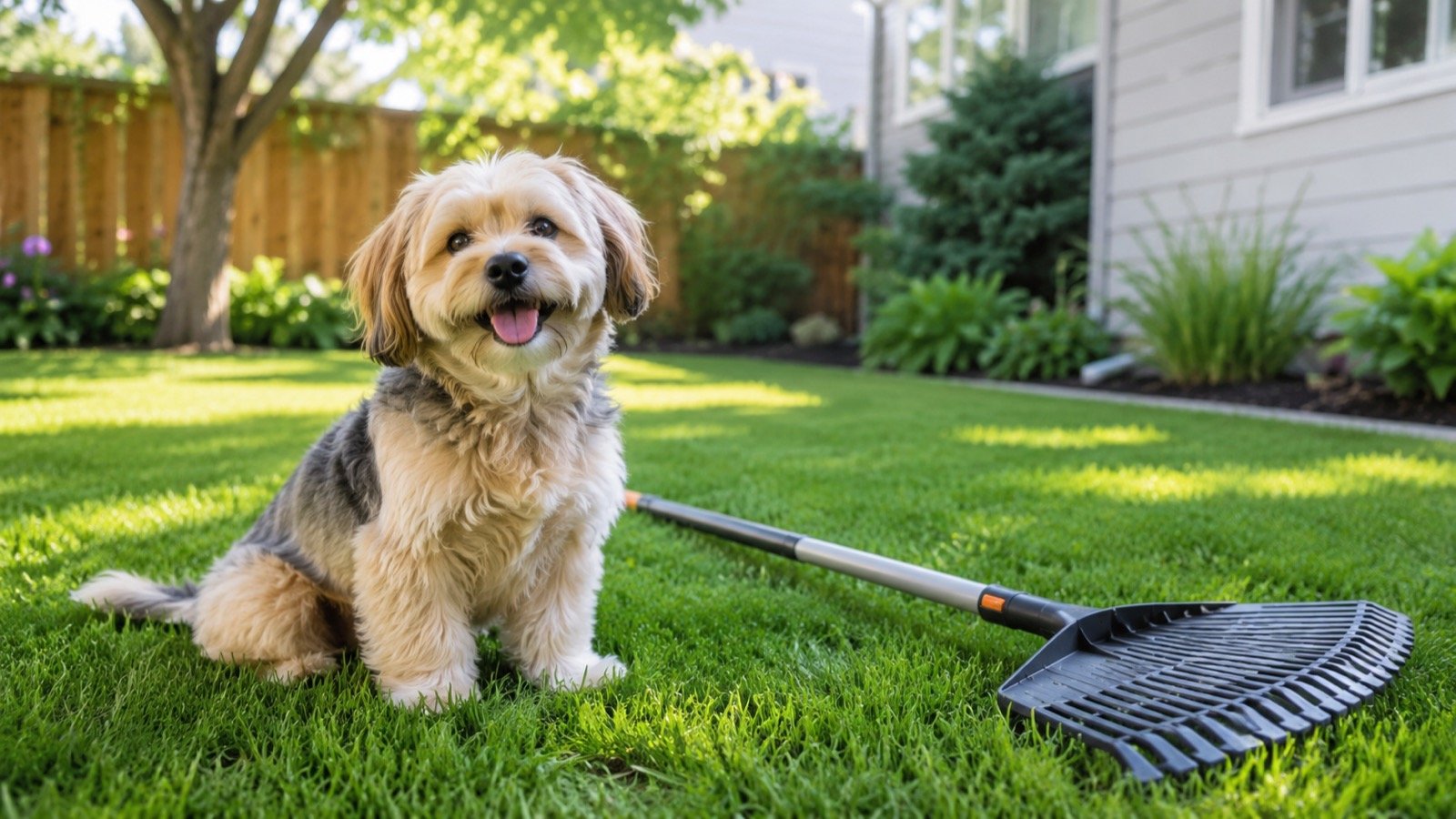
Each design solves a slightly different problem. Rake-and-tray sets sweep waste into a pan and shine on grass. Jaw or clamshell scoopers pinch waste in one motion and excel on hard surfaces. Bag-holder scoopers collect straight into a bag for zero-touch disposal. Knowing the strengths of each helps you avoid a mismatch.
Brand-name options like an Arm and Hammer Pooper Scooper often combine a clamping head with odor-reducing features, giving you both reach and hygiene in a single tool. That combination is a big part of why handled clamp designs remain so popular.
Quick Style Comparison
- Rake and tray: Best on grass; needs two hands.
- Jaw/clamshell: Great on pavement; one-handed operation.
- Bag-holder: Zero-touch disposal; ideal for the squeamish.
- Compact hand scoop: Cheap and portable but requires bending.
Matching the Scooper to Your Yard
Surface matters more than most buyers realize. A tray-and-rake set glides across a lawn but struggles on concrete, where waste smears instead of lifting. A clamp-style jaw grips cleanly on patios and driveways but can miss soft deposits on thick grass. If your property mixes surfaces, a versatile clamping head is usually the safest all-rounder.
| Surface | Best Scooper Type | Why |
|---|---|---|
| Grass lawn | Rake and tray | Sweeps without digging in |
| Concrete/patio | Jaw/clamshell | Grips cleanly off hard ground |
| Gravel/mulch | Clamp with wide jaw | Lifts without scooping debris |
| Mixed yard | Long-handled clamp | Handles all surfaces well |
Don’t Forget the Bags
A great scooper is only half the system. Whatever style you choose, you need durable bags to hold and dispose of the waste. Pairing your tool with Heavy duty trash bags prevents the frustrating tear-and-spill that ruins an otherwise smooth cleanup. Thicker bags also contain odor better while they wait for trash day.
Keep a stash of bags right next to your scooper so restocking is effortless. A tool and bag stored together become a station you will actually use every day.
Your Buying Checklist
- Identify your main yard surface and match the scooper style.
- Choose a handle length that keeps you upright and comfortable.
- Prefer rust-proof materials for tools stored outdoors.
- Confirm it works one-handed if you will hold a leash too.
- Stock compatible heavy-duty bags before your first use.
Durability and Long-Term Value
Cheap scoopers fail at the hinge or handle within a season. Spending a little more on solid construction saves money over time and spares you the annoyance of a tool that snaps mid-scoop. Look for reinforced joints, quality plastics or coated metal, and replaceable parts where possible.
Responsible cleanup is also a community matter. The EPA lists pet waste as a source of nutrient pollution that degrades local water quality, so a reliable scooper genuinely helps your neighborhood, not just your lawn.
A concrete tip for 2026: buy a scooper with a replaceable bag or liner system. As more brands move to refillable designs, you cut both cost and plastic waste over the tool’s lifetime. If you would rather delegate, seek out reputable service experts who bring their own professional-grade equipment.
Caring for Your Scooper So It Lasts
Even the best scooper wears out faster than it should if you neglect basic care. A few simple habits keep any style working smoothly for years and protect the money you invested in a quality tool.
After each use, give the head a quick rinse and let it dry before storing. Trapped moisture is the enemy of both metal and plastic; it invites rust on hinges and can warp cheaper components over time. Hanging the tool rather than resting it on damp ground keeps it dry and preserves the alignment of any clamping mechanism.
Pay attention to the moving parts. A drop of lubricant on a stiff hinge restores smooth action, and tightening any loose screws early prevents the wobble that eventually cracks a joint. If your scooper uses replaceable liners or bag holders, keep spares on hand so a worn part never sidelines the whole tool.
Where to Store Your Cleanup Gear
Location shapes whether you actually use your scooper. Tucked away in a distant shed, it gathers dust; hung by the door you use to let the dog out, it becomes part of your daily rhythm. Keep the scooper, a roll of bags, and a small disinfectant spray together so the entire cleanup station lives in one spot.
Protect the gear from extreme heat and direct sun, which degrade plastic and weaken bag film over time. A shaded, covered spot near your exit is the sweet spot: convenient enough to grab instantly, sheltered enough to last.
If you own more than one property or a large yard, consider keeping a second scooper and bag supply at the far end so you are never caught making a long trip back for supplies. Redundancy sounds excessive until the day it saves you a muddy walk across the whole yard. A small upfront investment in a backup tool pays for itself the first time it spares you that hassle.
Frequently Asked Questions
Which pooper scooper type is best for beginners?
A long-handled clamp or jaw scooper is the easiest starting point. It works on most surfaces, operates one-handed, and keeps you upright without special technique.
Do I need different scoopers for different surfaces?
Not usually. A versatile clamping head handles grass, pavement, and gravel well enough for most homes. Only very specialized yards benefit from a dedicated rake-and-tray set.
How long should a quality pooper scooper last?
A well-built scooper with reinforced joints and rust-proof materials can last several years of daily use. Cheaper models often fail within a single season.
Can I use regular grocery bags with my scooper?
You can, but they tear easily and leak odor. Heavy-duty bags sized for your scooper are far more reliable and keep the whole process cleaner.
Conclusion
Choosing the right pooper scooper starts with your yard surface, your dog’s size, and how much bending you want to avoid. Match the style to your situation, pair it with heavy-duty bags, and invest in durable construction that lasts more than one season.
Get those three things right and cleanup becomes a quick, reliable habit. Ready to pick the perfect tool? Compare a quality pooper scooper and stock up on durable bags to build a cleanup station that works every time.